

TL;DR:
- Compliance automation replaces manual checks with real-time verification of organizational controls.
- Property managers in Europe treat it as essential for managing complex, shifting regulations across multiple jurisdictions efficiently.
Compliance automation is defined as the use of technology to continuously verify that an organisation’s compliance controls are functioning correctly, replacing manual periodic checks with real-time monitoring. For property owners and managers operating short-term rentals across Europe, this distinction matters enormously. The regulatory environment spans GDPR, local guest registration laws, and country-specific reporting obligations. Property managers in regulated markets now treat compliance automation as a business imperative, not an optional upgrade. Getting the definition right is the first step to building a programme that actually works.
What is compliance automation, exactly?
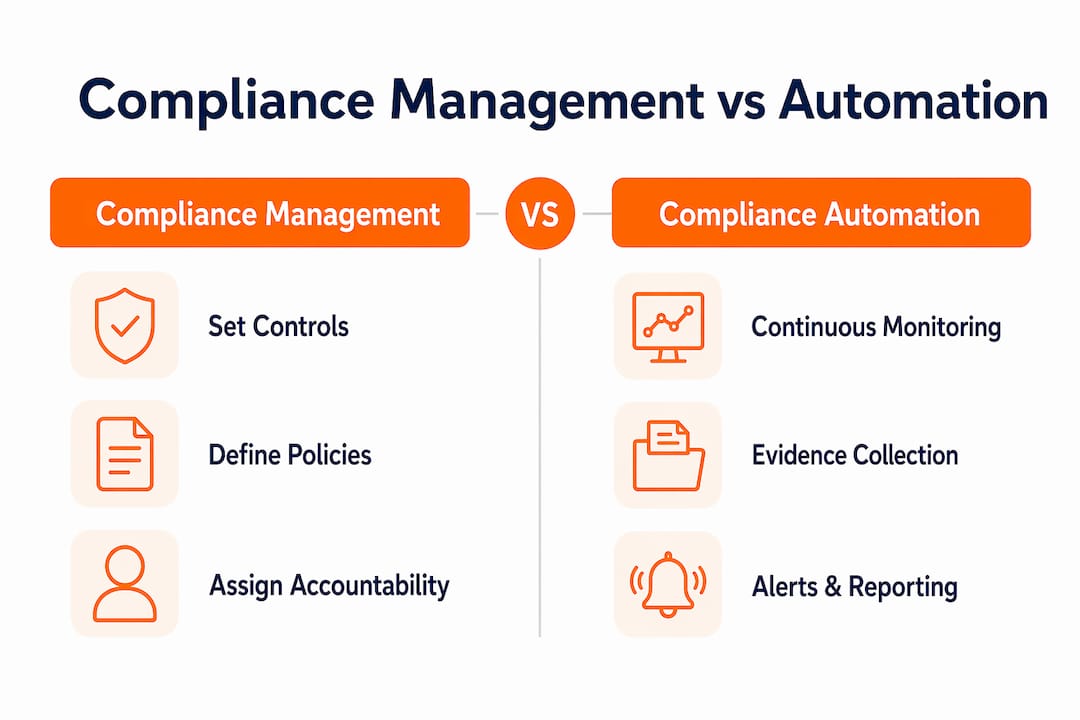
Compliance automation is a verification layer, not a full compliance management system. The industry term for the broader discipline is “compliance management,” which covers establishing policies, assigning accountability, and defining controls. Automation sits within that framework and handles one specific job: confirming that those controls are operating as intended, at all times.

This distinction is critical for property managers. You might have a policy requiring guest identification to be submitted to local authorities within 24 hours of check-in. Compliance management defines that policy and assigns responsibility. Automation then monitors every booking, collects the required evidence, and flags any submission that fails or falls late. The two functions are complementary but not interchangeable.
Compliance automation replaces human periodic checks with continuous software monitoring and evidence collection. That shift changes the entire rhythm of how you manage regulatory risk. Instead of reviewing a spreadsheet at the end of the month, you know within hours whether a control has failed.
How does compliance automation fit within governance?
Governance and compliance management establish the foundation. They define which regulations apply, what controls must be in place, and who is accountable for each one. Automation then verifies that those controls are working. Reversing this sequence is the single most common reason compliance programmes fail.
| Function | Compliance management | Compliance automation |
|---|---|---|
| Sets policies and controls | Yes | No |
| Assigns accountability | Yes | No |
| Monitors control performance | No | Yes |
| Collects audit evidence | No | Yes |
| Interprets regulations | Yes | No |
| Flags control failures in real time | No | Yes |
For European property managers, governance means mapping your obligations. In Spain, you may need to submit guest data to the Guardia Civil. In Portugal, to the SEF system. In Italy, to the Alloggiati Web portal. Each obligation requires a defined control, an owner, and a deadline. Only after that mapping is complete does automation add value.
Attempting to automate without mapping obligations to controls and assigning accountability leads to misleading compliance dashboards. The industry calls this “automated garbage”: a screen full of green ticks that tells you nothing reliable about your actual compliance status.
Pro Tip: Before deploying any automation tool, produce a written control register that lists each regulatory obligation, the control that addresses it, and the person responsible. This document is the foundation your automation will verify against.
What tasks can compliance automation handle?
Compliance automation handles tasks that are repetitive, measurable, and rule-based. It struggles with tasks that require interpretation, context, or judgement.
Tasks well suited to automation:
- Evidence collection: automatically capturing guest identification documents at check-in
- Control monitoring: checking that every booking triggers the required data submission
- Deadline tracking: alerting managers when a submission window is approaching or has been missed
- Policy distribution: confirming that updated regulatory guidance has been sent to relevant staff
- Audit preparation: compiling submission logs and evidence packages ready for inspection
- GDPR data retention: archiving guest records for the required period and then deleting them
Tasks that require human judgement:
- Interpreting a new local ordinance and deciding how it changes your control framework
- Assessing the risk level of an unusual booking pattern
- Managing an incident where guest data may have been submitted incorrectly
- Deciding whether a regulatory grey area requires legal advice
Automation handles repetitive tasks but cannot replace judgement-intensive compliance activities. Recognising this “judgement gap” is what separates well-designed programmes from ones that create a false sense of security. Your automation tool confirms that the process ran. Your compliance manager decides whether the process was the right one.
Pro Tip: Focus your first automation deployment on the single most repetitive task in your workflow, such as guest data submission. Measure the time saved and the error rate reduction before expanding to other controls.
Why automate compliance in European short-term rentals?
The operational case for automating compliance in European short-term rentals is strong and specific. The regulatory environment is not uniform. A property manager running ten apartments across three countries faces three different submission portals, three sets of deadlines, and three distinct data formats. Manual management of that complexity is both time-consuming and error-prone.
Compliance automation reduces 60–80% of the time compliance teams spend on repetitive tasks such as evidence gathering and deadline tracking. For a property manager handling multiple listings, that reclaimed time goes directly into guest experience, property maintenance, and business development.
“Transitioning from point-in-time compliance audits to continuous compliance via automation improves operational reliability by enabling early remediation of issues. Continuous compliance surfaces problems in real time rather than weeks later, enabling proactive fixes before they become regulatory breaches.”
The audit readiness benefit is equally significant. When a local authority requests submission records, a well-automated system produces a complete, timestamped evidence log within minutes. A manual system requires hours of searching through spreadsheets and email threads. Continuous compliance turns audit-centric work into an operational discipline, building trust with regulators and guests alike.
Scaling is the third major benefit. Adding a new property in a new jurisdiction means adding a new set of obligations to your control register and configuring your automation to cover them. The underlying system does not change. Without automation, each new property adds a proportional increase in manual workload. With it, the marginal cost of compliance per property falls as your portfolio grows. Guestadmin is built specifically for this model, supporting multi-property compliance workflows across European jurisdictions from a single dashboard.
Common pitfalls when implementing compliance automation
The most damaging mistake is automating before governance is in place. Failing to define clear controls before automating produces dashboards that show compliance where none exists. This is not a minor inconvenience. It creates legal exposure because you believe you are compliant when you are not.
The second pitfall is treating automation as a set-and-forget solution. Regulations change. The EU’s short-term rental regulation, which came into force in may 2024, introduced new data-sharing obligations for platforms and property managers. Any automation programme that was not updated to reflect those changes became non-compliant the moment the regulation took effect. Human oversight must remain part of the process.
The third pitfall is poor integration with existing property management systems. If your automation tool cannot connect to your booking platform or your property management software, evidence collection becomes a manual workaround. That defeats the purpose entirely.
Best practice steps for property managers:
- Produce a written register of every regulatory obligation that applies to each property and jurisdiction.
- Define the specific control that addresses each obligation, including the data required and the submission deadline.
- Assign a named individual as accountable for each control.
- Select an automation tool that integrates directly with your booking and property management platforms.
- Configure automation to monitor each control and alert you immediately when a failure occurs.
- Schedule a quarterly review to update your control register when regulations change.
- Keep human oversight active for incident management, regulatory interpretation, and risk assessment.
Following these steps in order is not optional. Effective compliance automation requires governance first and verification second. Skipping step one and going straight to step four is the most reliable path to an expensive compliance failure.
Pro Tip: When evaluating automation tools, ask specifically whether the platform supports hospitality compliance integration with your existing booking channels. A tool that requires manual data export is not true automation.
Key takeaways
Compliance automation works because it verifies that defined controls are functioning continuously, but only after governance has established what those controls must be and who is accountable for them.
| Point | Details |
|---|---|
| Governance comes first | Define obligations, controls, and accountability before deploying any automation tool. |
| Automation is a verification layer | It confirms controls are working; it does not set policy or interpret regulations. |
| Repetitive tasks are the priority | Focus initial automation on evidence collection, deadline tracking, and submission monitoring. |
| Continuous monitoring beats periodic checks | Real-time control monitoring enables early remediation before issues become breaches. |
| Human oversight remains non-negotiable | Regulatory interpretation, risk analysis, and incident response always require human judgement. |
Why governance-first thinking changed how I see compliance tools
The most common mistake I see property managers make is buying an automation tool before they have written down what they are actually trying to comply with. The tool arrives, it gets configured, and within weeks the dashboard is green. Everyone relaxes. Then an audit happens and the green dashboard turns out to mean very little, because the controls it was monitoring were never properly defined in the first place.
Automation is genuinely powerful, but only as a multiplier of good governance. If your governance is weak, automation amplifies the weakness. If your governance is solid, automation makes it reliable at a scale no manual process can match.
The European short-term rental market is getting more regulated, not less. The EU’s 2024 short-term rental regulation is the beginning of a trend, not a one-off event. Property managers who build proper governance frameworks now, and then layer automation on top, will find each new regulatory requirement easier to absorb. Those who skip the governance step will find each new rule another source of stress and exposure.
The efficiency gains from automating compliance are real and measurable. But the deeper benefit is confidence. Knowing that your controls are being verified continuously, and that your evidence is being collected automatically, frees you to focus on the parts of your business that genuinely require your attention.
— Alex
How Guestadmin supports compliance automation for European rentals
Guestadmin is built specifically for property owners and managers who need to automate compliance across European jurisdictions without building a compliance department from scratch.
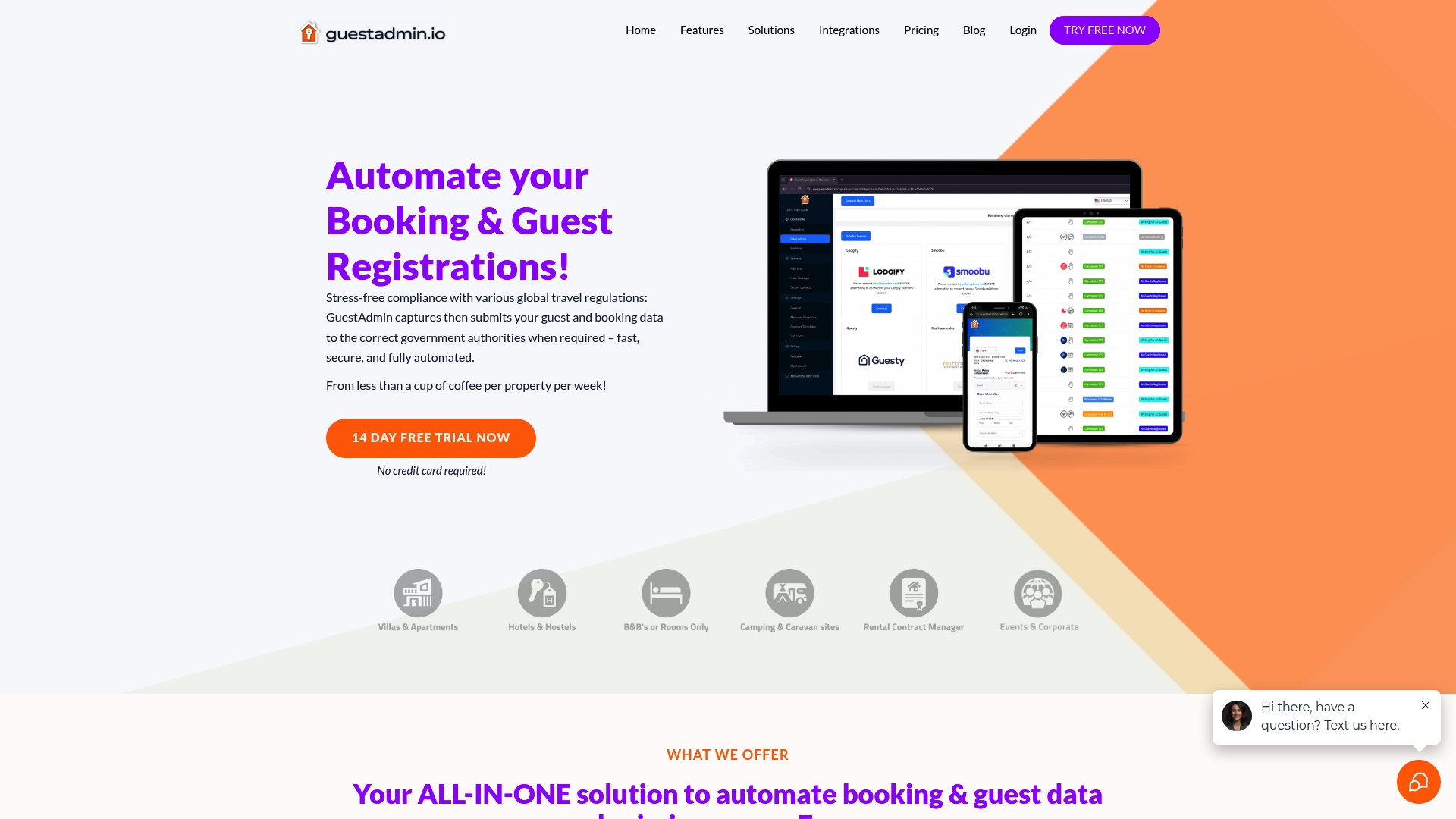
The platform captures guest data at check-in, processes it with AI, and submits it to the relevant government authority within 24 hours. It monitors every booking against your submission obligations, flags failures in real time, and maintains a complete audit log that is ready for inspection at any moment. For managers running multiple properties across different countries, Guestadmin’s property management software comparison page helps you evaluate how it fits alongside your existing tools. The onboarding process is straightforward, and GDPR-compliant data handling is built in from the start.
FAQ
What is the definition of compliance automation?
Compliance automation is the use of technology to continuously verify that an organisation’s compliance controls are functioning correctly, replacing manual periodic checks with real-time monitoring and evidence collection.
Why automate compliance rather than manage it manually?
Automation reduces 60–80% of the time spent on repetitive compliance tasks, and continuous monitoring surfaces issues in real time rather than during a periodic audit, enabling faster remediation.
What should come before compliance automation?
Governance must come first. You need a written register of obligations, defined controls, and named accountable individuals before automation can verify anything meaningful.
Can compliance automation replace a compliance manager?
No. Automation cannot replace judgement-intensive tasks such as interpreting new regulations, assessing risk, or managing incidents. It handles the repetitive verification work so your compliance manager can focus on those higher-order decisions.
How does compliance automation help with European short-term rental regulations?
It monitors submission deadlines, collects guest registration evidence, and flags failures across multiple jurisdictions simultaneously, making it practical to manage regulatory obligations in Spain, Portugal, Italy, and other European markets from a single system.