

TL;DR:
- Rental compliance in Europe involves multiple layered rules including registration, operational restrictions, data obligations, and safety standards.
- Proactively managing and automating compliance helps avoid fines, licensing issues, and operational disruptions.
- Understanding local regulations and investing in systems for ongoing monitoring is essential for legal and profitable rentals.
Rental compliance in Europe is not a single checkbox. It is a layered set of rules spanning national law, regional authority requirements, and city-level ordinances, all of which can change with little warning. For property owners and managers, missing even one compliance type can result in substantial fines, forced de-listing from booking platforms, or outright suspension of your rental licence. In 2026, with EU-wide regulation now reshaping how data and registrations are handled, understanding every category of compliance is more urgent than ever. This article breaks down the four essential types you must address to operate legally and confidently.
Table of Contents
- Understanding compliance categories: What matters and why
- 1. Registration and licensing: The foundation of legal rental activity
- 2. Operational restrictions: Night caps, bans, and what you can (and can’t) let
- 3. Data collection, guest registration, and government reporting
- 4. Safety, zoning, and other local obligations: The overlooked essentials
- Why mastering all types of rental compliance is non-negotiable (and how even pros get caught out)
- How to stay compliant without the stress: Your next steps
- Frequently asked questions
Key Takeaways
| Point | Details |
|---|---|
| Registration rules are tightening | EU and local laws require all rental listings to display official registration from 2026. |
| Night caps and bans vary greatly | Cities set their own annual limits and often restrict non-primary rentals—always check regional law. |
| Guest data reporting is required | Collect and report guest information within 24 hours using GDPR-compliant systems. |
| Safety and zoning are critical | Fire safety, occupancy limits, and zoning laws can close listings if overlooked. |
| Automation prevents costly mistakes | Tech tools help owners manage complex, cross-border compliance requirements efficiently. |
Understanding compliance categories: What matters and why
Compliance for short-term rentals is not one-size-fits-all. Local regulations dominate the types of rules you face, meaning a property manager in Lisbon operates under a very different legal framework from one in Vienna or Edinburgh. Yet beneath this variation, four broad compliance pillars apply almost universally across Europe.
The four main categories are:
- Registration and licensing: Obtaining the legal right to operate and displaying your permit number on all listings
- Operational restrictions: Night caps, secondary home bans, quota systems, and zoning rules that govern what you can let and for how long
- Data obligations: Collecting guest information, submitting it to authorities on time, and retaining records in line with GDPR
- Safety and zoning: Fire safety equipment, occupancy limits, neighbour notifications, and insurance requirements
These pillars do not sit in isolation. A failure in one area often triggers scrutiny in another. The good news is that staying ahead of all four is achievable with the right systems in place.
The stakes for non-compliance are real. Penalties range from fixed fines to rental bans and reputational damage. Proactive compliance also makes sound commercial sense: properties with clean records attract better guests, secure longer bookings, and face fewer costly interruptions. Your legal compliance guide is a strong starting point for auditing your current position.
At the EU level, Regulation (EU) 2024/1028 now mandates that platforms collect and share registration data with government authorities, making it essential that your registration is valid and visible. This is not optional from May 2026 onwards. Using a compliance checklist to map your obligations across each pillar is the most efficient way to identify gaps before inspectors do.
Pro Tip: Do not wait for a platform notification to prompt you into action. Proactively register your properties and confirm every compliance category is addressed before the next booking season begins.
1. Registration and licensing: The foundation of legal rental activity
Registration is the entry point for legal short-term rental activity across Europe. Without a valid permit or registration number, you are operating outside the law in most jurisdictions, regardless of how well you manage the property itself.
Here is how the registration process typically works:
- Apply to your local authority for a short-term rental permit or registration certificate
- Receive a unique registration number to be displayed on every listing across all platforms
- Renew periodically as most permits have annual or biennial expiry dates
- Notify the authority of any changes to the property, occupancy type, or letting arrangement
EU Regulation 2024/1028 standardises registration and data display requirements from May 2026, meaning platforms are now obliged to verify and display your number. If your registration is missing, platforms can remove your listing without prior warning.

Many cities ban or cap short-term rentals for secondary homes, making the type of property and how you use it central to your eligibility.
| City | Registration required | Permit cap or freeze | Primary residence only? |
|---|---|---|---|
| Barcelona | Yes | Yes, freeze on new licences | Yes, secondary homes largely banned |
| Amsterdam | Yes | Yes, annual cap | Primary only in most districts |
| Paris | Yes | No cap, but night limits apply | Primary residence subject to night cap |
| Lisbon | Yes | Moratorium in some areas | No, but conditions apply |
| Berlin | Yes | No cap | Primary residence for most zones |
Understanding your property’s status before applying saves time and avoids costly rejections. Your property owner responsibilities as defined under local law should be your first reference point when establishing or reviewing your registration.
Pro Tip: Store your registration certificate digitally and set a calendar reminder 60 days before renewal. Late renewals in some cities result in an automatic listing suspension.
2. Operational restrictions: Night caps, bans, and what you can (and can’t) let
Once registered, operational restrictions define the boundaries of your day-to-day letting activity. These rules are often the most surprising for new operators and the most varied across cities.
Night caps and secondary home bans are among the most common restrictions. Paris enforces a 120-night annual cap on primary residences. Amsterdam limits rentals to 30 nights per year per property. Barcelona has effectively banned new licences for secondary homes entirely. These are not edge cases: they are the norm in Europe’s most visited cities.
Key operational restrictions to be aware of include:
- Annual night caps: Many cities cap the number of nights you can let per calendar year
- Secondary home prohibitions: Permanent licences for second homes are rare and increasingly restricted
- Licence quotas: Some cities freeze the total number of active permits in a district
- Neighbour consent: Certain jurisdictions require written agreement from neighbouring residents before a licence is granted
The EU framework recognises three main STR categories: professional entire-home operators, primary or secondary home hosts, and those letting part of their primary residence. Regulation tends to be strictest for professional operators managing multiple entire properties, reflecting the pressure short-term rentals place on urban housing stock.
Phased rollouts and neighbour vetoes are increasingly common tools used by cities to manage STR density without outright bans. These nuances matter.
| City | Annual night cap | Secondary home permitted? | Neighbour consent required? |
|---|---|---|---|
| Paris | 120 nights | Yes, with registration | No |
| Amsterdam | 30 nights | No | No |
| Barcelona | N/A (ban applies) | No | N/A |
| Lisbon | 120 nights (some areas) | Yes, with conditions | No |
| Florence | 90 nights (historic centre) | Limited | In some zones |
Consult the European rental regulations overview and cross-reference with your operational restrictions checklist to confirm what applies to each property you manage.
3. Data collection, guest registration, and government reporting
Operational permissions are only part of the picture. Once a booking is confirmed, you enter a separate compliance track: guest data collection and government reporting.
Here is what you are typically required to collect from every guest:
- Full name
- Date of birth
- Nationality
- Passport or national ID number
- Arrival and departure dates
Guest data must be submitted electronically within 24 hours of check-in in approximately 70% of European jurisdictions. Retention periods range from 2 to 6 years, and every step must be handled in line with GDPR.
Liability sits firmly with the property manager, not the guest. Late or incomplete submissions attract fines that escalate quickly across multi-property portfolios. The government reporting guide covers the submission process across different countries in practical detail.
The most common data compliance error is not collecting the wrong information, but submitting it late or to the wrong authority. Each local council or police authority may have its own portal, and errors compound across multiple properties.
GDPR applies from the moment you collect a guest’s name. You must have a lawful basis for processing, a clear retention policy, and a way for guests to request deletion of their data. These are not optional extras: they are baseline requirements.
For guest data requirements and country-specific submission formats, review your obligations per market before each season.
Pro Tip: Automate your guest data submissions using a centralised platform that integrates with your property management system. Manual data entry across multiple properties is the single biggest source of reporting errors.
4. Safety, zoning, and other local obligations: The overlooked essentials
Safety and zoning obligations are the compliance category most frequently overlooked, particularly by operators who are otherwise thorough on registration and data. These requirements rarely make headlines until an inspection reveals a gap.
Common safety and zoning obligations include:
- Smoke and carbon monoxide detectors: Required in all letting properties across most European countries, with specific placement rules
- Fire safety signage and escape routes: Clearly marked exits and posted evacuation instructions are standard requirements in many markets
- Occupancy limits: Maximum guest numbers are enforced, and exceeding them risks immediate closure of the unit
- Zoning restrictions: Some residential zones prohibit commercial short-term letting entirely, regardless of registration status
- Neighbour notification: Some municipalities require you to formally notify adjacent residents of your rental activity
- Short-term rental insurance: Standard home insurance rarely covers commercial letting activity; a dedicated policy is essential
Safety standards including fire alarms and occupancy limits are among the most commonly cited compliance requirements during local authority inspections.
The most common pitfall for experienced operators is missing local safety obligations because the relevant rules exist only in the local language and are not always communicated by platforms or booking channels.
Translation barriers are a genuine risk, especially for managers overseeing properties across several countries. Using a structured local obligations checklist for each jurisdiction you operate in helps ensure nothing is missed.
Insurance is worth emphasising separately. Standard landlord insurance does not cover short-term rental activity in most European countries. Check your policy carefully and upgrade to specialist cover if needed.
Why mastering all types of rental compliance is non-negotiable (and how even pros get caught out)
The breakdown above makes one thing clear: compliance is not a single task. It is an ongoing, multi-layered process. Yet the majority of fines and enforcement actions we see across the sector stem not from deliberate avoidance, but from accidental lapses. An operator renews their registration but forgets to update their fire safety certificate. A manager submits guest data accurately but one day late. A property qualifies for a licence but sits in a newly rezoned block where commercial letting has since been restricted.
Common pitfalls including exceeding night caps, submitting incomplete guest data, or failing to display a registration number are all preventable with the right systems.
For multi-jurisdiction portfolios, manual tracking is simply no longer viable. The volume and variability of local rules make human error almost inevitable without technology to support it. Automation tips for managers running properties across borders show just how much time and risk can be removed from the compliance process.
The operators who stay consistently compliant are not necessarily the most diligent individuals. They are the ones who have built systems that alert them to changes, automate submissions, and surface gaps before they become fines. Regularly auditing your properties for local rule changes is a discipline worth building into your quarterly schedule, rather than relying on platforms or word of mouth to keep you informed.
How to stay compliant without the stress: Your next steps
Managing compliance across even a small portfolio of short-term rentals involves tracking dozens of obligations simultaneously. The good news is that you do not have to do it manually.
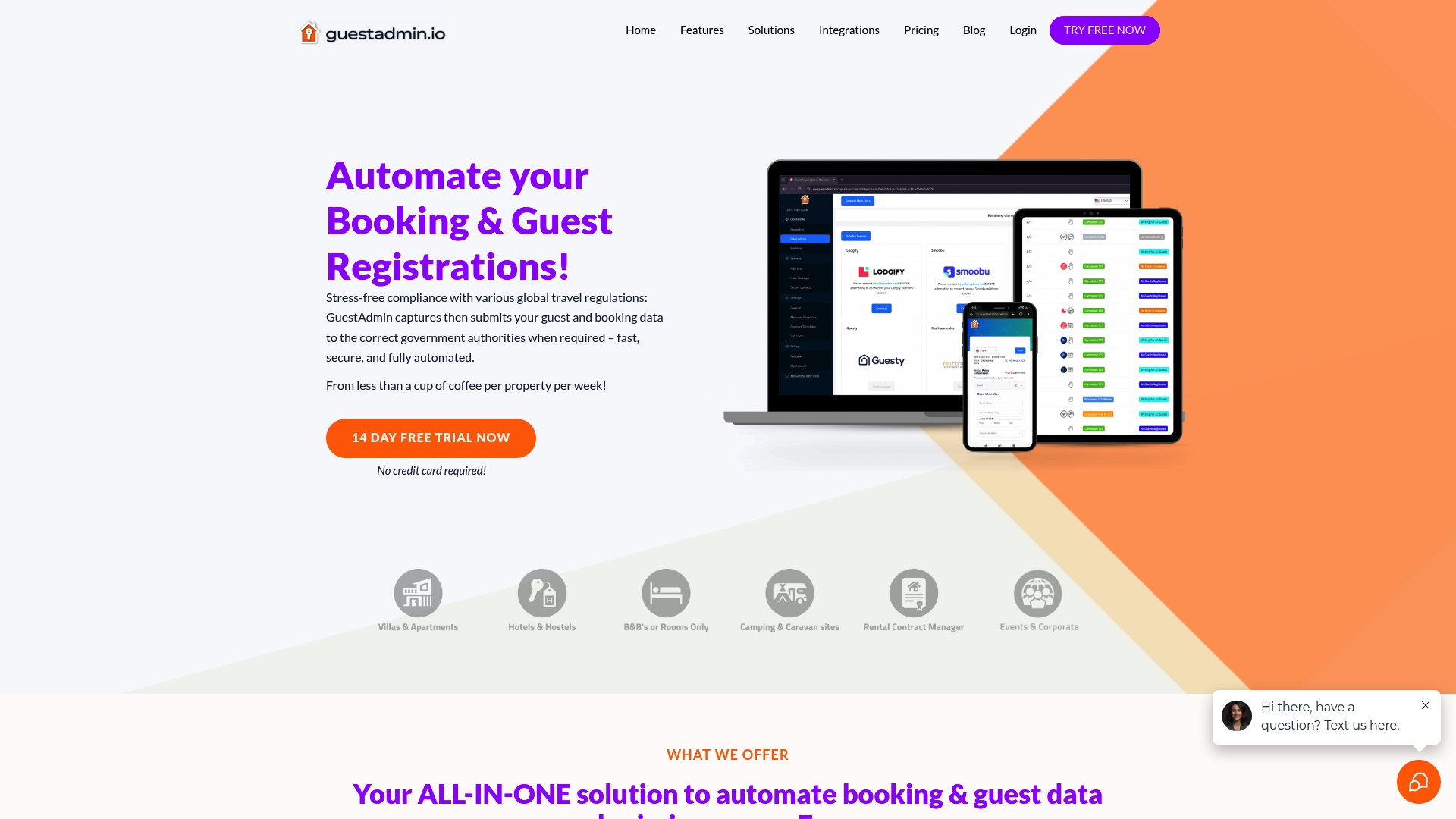
Start by reviewing how to avoid compliance fines with a clear, structured approach to each of the four compliance categories covered in this article. GuestAdmin.io is built specifically for property owners and managers across Europe who need to automate guest data collection, submit reports to local authorities within 24 hours, and manage multi-property compliance from a single dashboard. Whether you manage one property or one hundred, streamlining compliance through a dedicated platform removes the administrative burden and reduces your exposure to fines significantly. Take the first step today.
Frequently asked questions
Do I need to register my short-term rental everywhere in Europe?
Registration is mandatory in most European cities, but rules vary by jurisdiction; always check local requirements and ensure your registration number is visible on every listing. EU-wide rules require registration number display from May 2026, but local laws set the baseline for eligibility and process.
What guest information do I need to collect and report?
Typically, you must collect each guest’s full name, date of birth, nationality, ID or passport number, and arrival and departure dates, then report electronically within 24 hours. Complete guest data submission is required electronically within 24 hours in approximately 70% of European regions.
How are secondary homes regulated versus primary residences?
Secondary homes face significantly tighter restrictions, often including outright bans or strict permit caps, while primary residences may benefit from higher night limits and simpler registration pathways. Secondary homes commonly face bans or licensing freezes in major European cities.
Do I need to worry about GDPR with guest data?
Yes, GDPR applies to all guest data you collect, store, and share; failure to comply risks substantial fines entirely separate from rental regulation penalties. You must retain guest data for 2 to 6 years and ensure your storage and processing systems meet GDPR standards throughout.
4 Comments
Short-term rental tips: streamline compliance and boost bookings
[…] fines or delisting significantly. Explore how to avoid fines with compliance tools, understand the essential rental compliance types your properties require, and discover purpose-built multi-property management solutions designed to […]
Legal compliance for European short-term rental owners
[…] detailed records that can inform pricing decisions, occupancy analysis, and seasonal planning. The essential compliance types that affect your property are also a useful framework for thinking about risk across your whole […]
Master data privacy in hospitality for smooth EU compliance
[…] the manual burden from your team. For a structured overview of your obligations, the guide on essential compliance for STR lets is an excellent starting […]
Hospitality compliance explained: what property managers need
[…] the full scope is the starting point. The various rental compliance types that apply to your property will depend on your country, region, and the platform through which you […]